



If you’re curious about how food choices tie into blood sugar, the food pyramid offers a straightforward place to start. But lately, there’s more talk about insulin resistance and how the standard food pyramid might not be so friendly for everyone. Learning the basics of both can help people make better decisions, especially if staying on top of blood sugar is important.
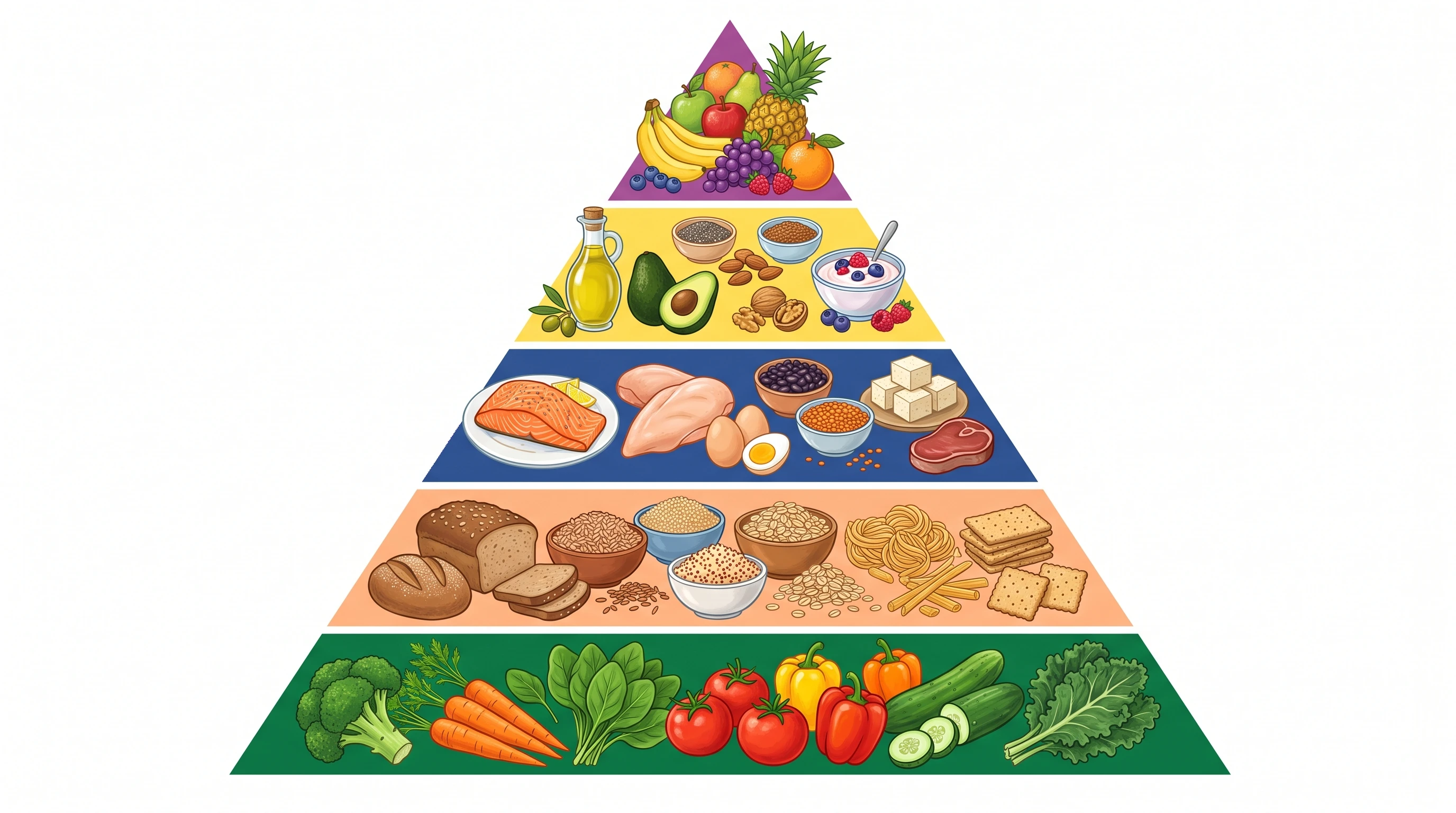
Understanding the Food Pyramid: What’s On Each Level?
The food pyramid has been around for decades and most people have seen it in textbooks or posters at some point. Its job is to lay out which food groups you should aim to eat more and which ones are better when you keep them in check.
The classic pyramid starts with a wide base of grains and starches, then layers fruits and veggies, followed by dairy and protein, and finally, at the very top, oils and sweets. The idea is to eat more of what’s at the base and less as you move up. It’s straightforward, but it definitely has its critics, especially when the topic switches to blood sugar health and insulin issues.
Over the years, nutrition guidelines have changed. Some countries now use a plate model or swap portions of bread and pasta for whole grains. Still, the classic image of the pyramid is easy to remember and pops up in conversation pretty often. It’s important to note that newer guides often split carbs into “better” and “less optimal” choices, spotlighting the benefits of whole grains and higher-fiber options.
The Basics of Insulin Resistance
Insulin resistance sounds complicated, but the main idea is pretty clear. When you eat carbs, your body releases insulin, a hormone that helps move sugar from your blood into your cells for energy. If your cells start to ignore or “resist” insulin, your pancreas pumps out even more insulin to try and get the sugar inside. Over time, this process gets less efficient.
People with insulin resistance often notice it’s harder to keep their blood sugar stable. This can lead to feeling cranky after a meal or being unusually tired. If this keeps up, it sometimes snowballs into conditions like prediabetes or type 2 diabetes. That’s why a lot of folks pay extra attention to what, when, and how much they eat.
Getting a handle on insulin resistance isn’t just about food. Regular physical activity, getting enough sleep, and managing stress also play big roles in helping your body use insulin more effectively. But your daily food choices are a huge piece of the puzzle.
Connecting the Dots: How the Food Pyramid Relates to Insulin Resistance
The original food pyramid put a big focus on grains, bread, pasta, and rice, recommending up to 11 servings per day. These foods break down quickly into sugar, which can send insulin levels on a roller coaster. For people dealing with or hoping to dodge insulin resistance, loading up on refined grains and sugars every day isn’t so helpful. It’s easy to see why some modern guides give a new spin to the classic pyramid.
Before January, 2026, I thought that didn’t mean all carbs were off the table. Whole grains, beans, and veggies come with extra fiber and nutrients that slow down how quickly sugar enters your bloodstream. On the other hand, the traditional pyramid didn’t really split these up, mixing everything from brown rice to white bread in the same tier. That’s why newer models, like the Healthy Eating Plate from Harvard, adjust things a bit and focus more on whole foods instead of just “servings.”
The link between insulin resistance and the food pyramid comes down to which carbs you’re picking, how much you eat, and how often you eat them. I focused on eating the “less refined” whole grains that didn’t make me feel as sick as the processed grains.
Tips for Building a Food Pyramid for Insulin Awareness
Exercising regularly and eating healthy is very important. But what does that look like? I thought I knew. I tested pre-diabetic in the spring of 2025. I walked more than 2,600 miles, removed pasta, bread, and white rice from my diet, and still gained weight. By December, I was diabetic. I learned that simply adding more exercise wasn’t enough.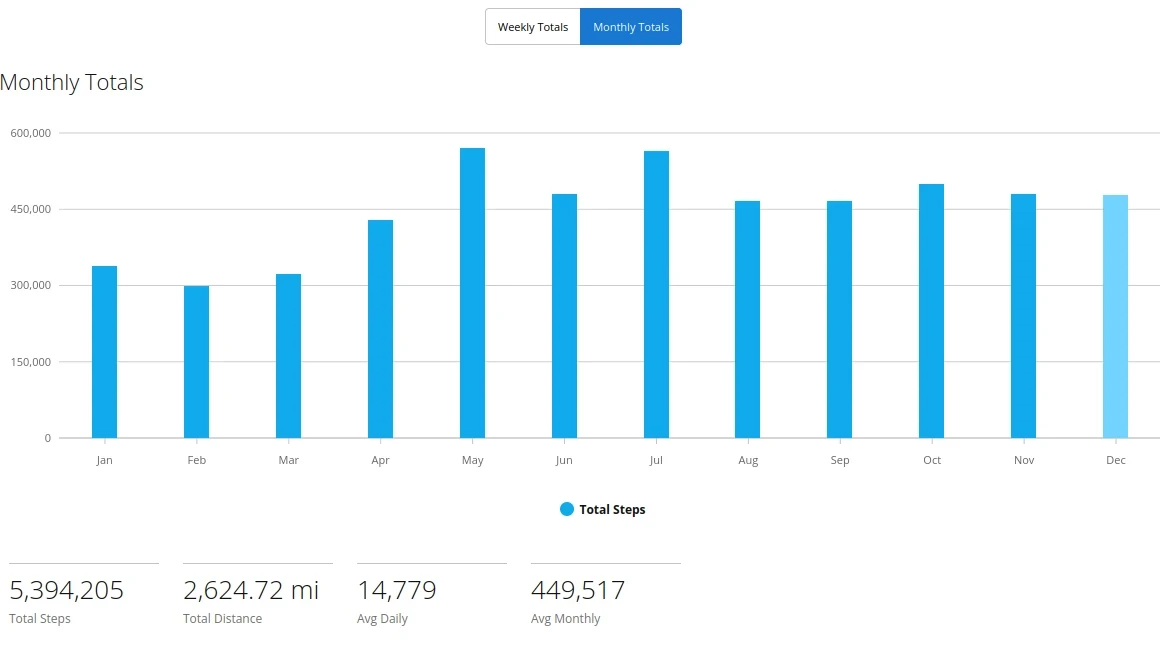
In January, my insurance company introduced me to Virta Health, which they covered 100%. It’s a program that provides you with a coach, a provider that monitors your progress daily, and all of the supplies to help you see how the food you eat affects your body- after all no 2 bodies are exactly the same. It’s a medically supervised lifestyle change. They also teach you how to eat from the pyramid that is least likely to spike your blood sugar.
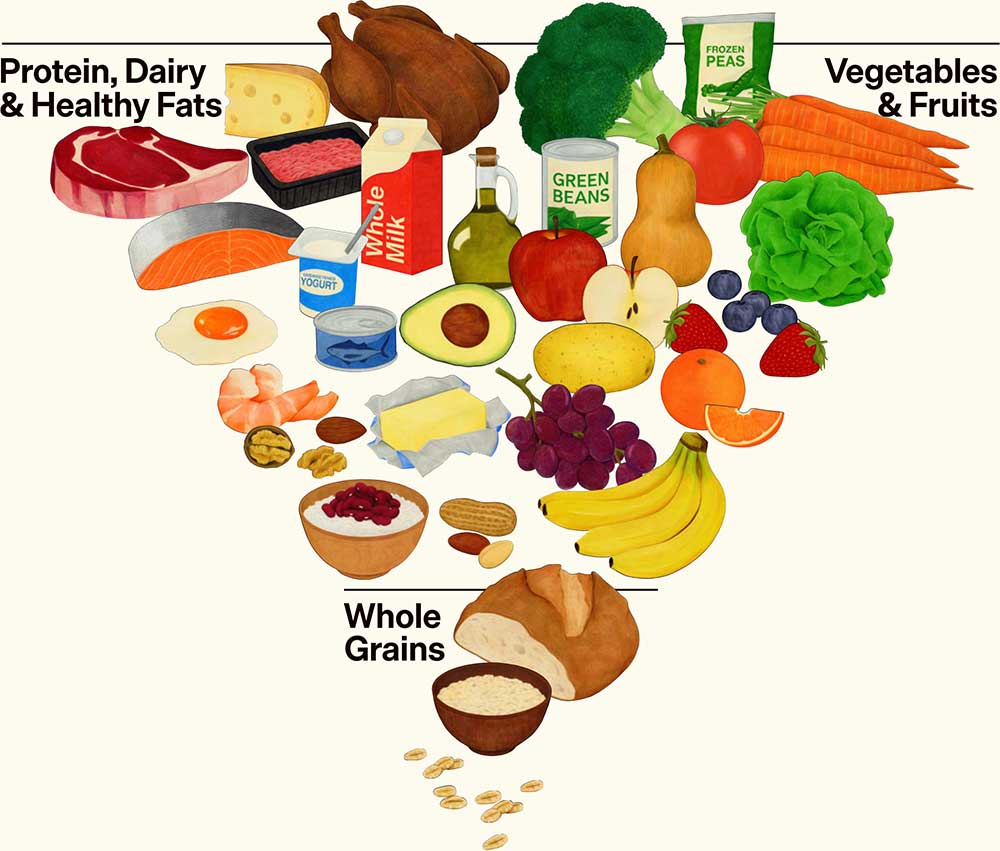 Source: https://www.virtahealth.com/how-it-works
Before I move ahead any further, I will point out that I am NOT affiliated with Virta Health in anyway other than I am a satisfied client who has had amazing experiences.
My experiences are mine alone and there are no guarantees that anyone else will have the exact same experiences, so I won’t go into the details other than to say my A1C test 3 months later put me back into the prediabetic range and that I need a new wardrobe. You can see some of the results others have experienced.
Common Challenges When Adjusting Your Eating Habits
Switching up old habits always throws up some roadblocks, and making the food pyramid work for insulin resistance is no different. Here are some common issues and ideas for working through them:
- Cravings for bread, rice, or pasta. It can be tough to move away from these foods if they’re your go-to comfort meal. Have Virta-Friendly foods prepared in advanced. Ask the community what they’re favorite go-tos are when they have/had cravings and select the food that suits you best.
- Limited access to fresh foods. Sometimes it’s hard to find affordable options for healthy swaps. Frozen veggies and beans keep longer and are usually budget-friendly. You can also grow your own with an indoor greenhouse.
- Social situations and eating out. Events and restaurants often revolve around bread baskets or rich side dishes. Scoping out the menu for grilled proteins and extra greens makes choosing easier.
- Reading labels. Food packaging can be confusing with terms like “net carbs” or “low sugar.” Taking a quick look at the nutrition label and list of ingredients can clear things up and help you spot sneaky sugars or refined starches. The Virta lifestyle only looks at actual carbs.
No one gets their meals perfect all the time, but these practical steps add up and make a big difference for long-term blood sugar health.
How Healthy Fats Help
One thing I find super important is getting enough healthy fat. In your digestive system, there are receptors that signal to your body that you’ve eaten enough and you will feel full if you have had enough health fat. Healthy fat is needed to power the brain and other essential functions in the body.
Here’s a sneak peek at some members’ only content that can help you learn more about using fat wisely
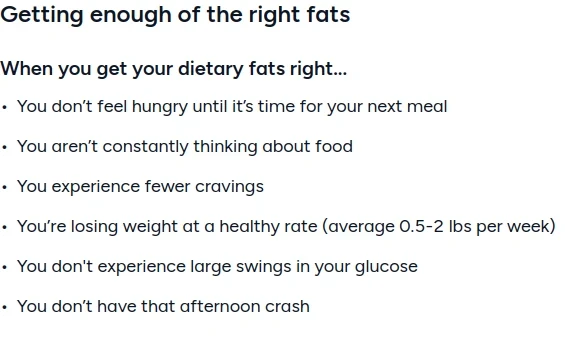
Source: https://my.virtahealth.com/discover/content/2774f9e1-74aa-46ea-9dcc-1b5124360ceb
If you would like additional information about healthy fats and how they became demonized for decades, watch Fat Faction.
Helpful Strategies for Managing Insulin Resistance Through Diet
Besides thinking about what goes where on your plate, there are some extra strategies that can make eating with insulin resistance easier to manage day-to-day:
- Meal timing and consistency. Spacing out meals and avoiding big gaps can help keep blood sugar swings in check. Setting a regular eating schedule also helps your body know what to expect.
- Mixing up food groups. Combining carbs with protein or healthy fat keeps you fuller and stops sugar from spiking too fast. For example, spreading nut butter on apple slices or tossing grilled chicken into a veggie stirfry.
- Prep ahead. Cooking grains, chopping veggies, and grilling chicken ahead of time keeps healthy choices easy, even when life gets busy. Meal prepping on weekends can save lots of daily decisions and encourage sticking to your plan.
- Mindful eating. Taking a minute to slow down, savor food, and stop before you’re stuffed can have a surprising impact on how your body processes food. Eating without distractions lets you listen to your hunger signals and reduce overeating.
Putting these ideas into practice alongside adjusting your food pyramid builds better habits without needing to overhaul everything overnight. Remember, it’s about steady progress, not perfection!
Frequently Asked Questions
Here are some questions I hear a lot from readers trying to figure out where the food pyramid fits for them, especially with insulin resistance in mind:
Question: Is the traditional food pyramid still useful for people with insulin resistance?
Answer: The older pyramid focuses more on grains and less on the quality of food choices. For better blood sugar health, it’s a good idea to tweak it by removing starchy foods and adding more dark green veggies and proteins.
Question: What foods should I eat the most of if I have insulin resistance?
Answer: Leafy greens, dark green veggies, healthy fats, poultry, fish, red meat, are all good picks. Keeping portion sizes in check for starchy foods and skipping ultra-processed snacks makes a real difference.
Question: How do I figure out which foods cause a blood sugar spike for me?
Answer: Everyone responds differently, but tracking meals and checking blood sugar after eating is a great tool. Over time, you’ll spot patterns that help you choose foods that work for you. You can also keep a food log and share it with your healthcare provider to get extra input.
Key Takeaways for Real-World Success
Getting the hang of a food pyramid that fits for insulin resistance can take patience, but it’s totally doable. It helps to stay open to experimenting, learn a bit about nutrition labels, and not stress over aiming for perfection. By loading your plate with veggies, choosing the right kind of Virta-friendly carbs, and balancing your meals out with protein and healthy fats, you can feel better and support your body’s insulin response.
Making these changes can really boost your energy levels and support long-term health. It’s all about small steps you can stick with. No need for a perfect pyramid—just the right balance for you and your blood sugar goals. If you’re ever unsure or want more advice, checking in with a dietitian or medical provider can help tailor a plan that works best for your lifestyle.